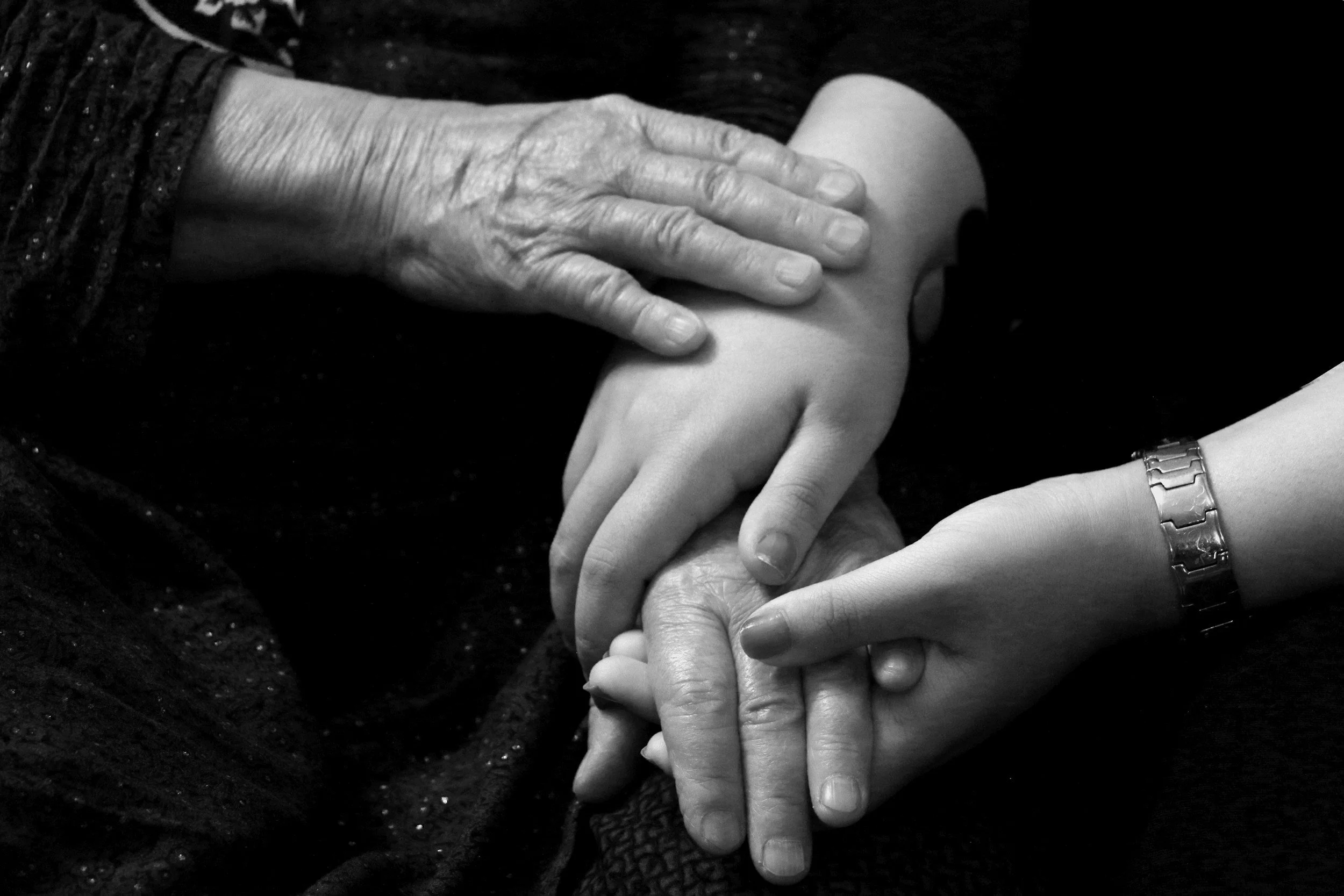
I am eighty-six now.
Some days, I say eighty-seven. Some days, I say ninety. My children correct me.
“Ma, you are eighty-six.”
They say it gently sometimes. Other times, they say it with that small sigh, the one they think I do not hear.
But I hear sighs very clearly.
I may forget dates. I may forget where I kept my shawl. I may ask the same question again. But I still hear impatience. I still understand when a room becomes tired of me.
After your father died, I stopped belonging to one house.
For more than sixty years, I was his wife. We were married before I even knew what marriage truly meant. I came into his home as a young bride, with glass bangles on my wrists, jasmine flowers in my hair, and fear sitting quietly in my stomach. Slowly, that house became mine. His people became mine. His habits became my routine. His needs became my work. His name became part of my own identity.
For sixty years, I knew where I belonged.
Beside him.
Now I move from one child’s house to another.
Two months here. Three months there. Sometimes longer if someone has travel plans. Sometimes shorter if there is a problem in the house, a visiting relative, exams, work pressure, or someone’s health issue.
My children do not say I am being passed around.
But I feel it.
My clothes are always folded into a suitcase. My medicines are put in plastic boxes. My walking stick travels with me. My reports, my spectacles, my shawl, my pain balm, my dentures, my prayer book, all packed and unpacked like I am a guest who stays too long.
At each house, they say, “Ma, this is your home only.”
But I do not know which cupboard is mine.
I do not know where the cups are kept.
I do not know whether I should switch on the fan or ask first.
I do not know if the maid has been told what I eat.
I do not know where to sit without being in someone’s way.
A home is not only walls. A home is where your hand knows where to reach in the dark.
My hands do not know anymore.
My body has become a place of pain. My knees burn. My back aches if I sit too long. My shoulder hurts when I try to wear my blouse. My feet swell by evening. Some nights, even the bedsheet feels heavy on my legs.
When I groan while getting up, they say, “Ma, slowly.”
Sometimes they help. Sometimes they are in a hurry. Sometimes I see irritation on their faces because my body takes time.
Everything takes time now.
Standing.
Bathing.
Chewing.
Remembering.
Understanding.
Forgiving myself.
My mind also takes time.
It goes somewhere and returns late. It brings back old things very clearly but drops today’s things on the way. I can remember your father standing near the gate in his white kurta, calling out for tea. I can remember the smell of the first monsoon in our old house. I can remember each child’s fever, each exam result, each wedding, each grandchild’s birth.
But I cannot always remember whether I had breakfast.
And then they correct me.
“Ma, you just ate.”
“Ma, I told you this already.”
“Ma, that happened last week, not today.”
“Ma, Papa is no more. Why do you keep saying he will come?”
Why do I keep saying he will come?
Because for sixty years, he came.
He came home from work.
He came back from the market.
He came to the dining table.
He came to bed after locking the front door.
He came looking for me when he could not find his glasses.
He came into every part of my day.
Now my mind still waits for the sound of his footsteps. My ears still search for his cough. My hand still reaches to keep aside the softer roti for him.
Then someone says, “Ma, you are forgetting again.”
No.
I am not only forgetting.
I am missing.
There is a difference.
When I ask where he is, maybe a part of me knows. Maybe another part of me cannot bear to know. Maybe grief has become mixed with age, and both have made my mind soft at the edges.
But when my children correct me sharply, I feel as if they are taking him away again and again.
I have already lost him once.
Must I lose him every time my memory slips?
I know my children are tired.
I know no one’s house has space the way old houses had space. Everyone has work calls, school timings, commute, bills, blood tests, deadlines, and their own aches they do not speak about.
I know I am not easy now.
I spill tea.
I ask questions.
I walk slowly.
I forget where the bathroom is at night.
I complain of pain.
I call one grandchild by another’s name.
I tell the same story about your father buying me red bangles after our first Diwali.
I know they have heard it many times.
But I have lived it only once.
And when I tell it again, I am not trying to bore them. I am trying to visit a time when I was not old, not dependent, not confused, not waiting for someone to decide which house I should go to next.
In that story, I am young.
In that story, he is alive.
In that story, I belong somewhere.
Sometimes, in my child’s house, I sit near the window and listen to everyone talk in the other room. They discuss me without using my name.
“Her medicines are over.”
“She is not sleeping properly.”
“She asked the same thing ten times.”
“She is becoming very stubborn.”
“What to do? We have to manage.”
Manage.
That word sits heavily in my chest.
I was once the person who managed everything.
I managed the kitchen, the children, your father’s moods, guests, festivals, illnesses, money shortages, family tensions, rituals, weddings, and grief.
Now I am the thing being managed.
I want to tell them I am still here.
Behind this shaking hand, I am still here.
Behind this confused mind, I am still here.
Behind this old body that smells of pain balm and medicine, I am still their mother.
Not luggage.
Not duty.
Not a problem to divide equally.
Their mother.
I do not need a perfect room.
I do not need everyone to stop their lives for me.
I do not even need them to understand everything I am going through. How can they? They have not yet reached this age. They do not know what it means to outlive the person who knew your whole life.
But I need tenderness.
I need someone to say, “Ma, this corner is yours.”
I need a cupboard that does not have to be emptied after a few weeks.
I need my medicines given without irritation.
I need my pain believed, even when it is inconvenient.
I need my stories heard sometimes, even if they are repeated.
I need to be corrected less and comforted more.
When I say something wrong, do not rush to prove it.
Come sit near me.
Say, “Ma, it feels confusing today?”
Say, “You are missing Papa?”
Say, “It is okay. I am here.”
Because many times, I am not asking for the correct answer.
I am asking whether I am alone.
When I forget that I have eaten, maybe I am not hungry for food. Maybe I am hungry for attention.
When I ask when we are going home, maybe I do not mean a particular address. Maybe I mean the life where your father was alive and I knew my place.
When I become angry, maybe I am scared.
When I become quiet, maybe I have understood that I am too much for everyone.
When I repeat, maybe I am holding on to the few memories that still come when I call them.
Please do not shame me for them.
My world has become small now.
A chair.
A bed.
A suitcase.
A medicine box.
A window.
A few photographs.
The sound of my children’s voices from another room.
I do not know how many years or months are left. I do not know which child’s house I will be in when my time comes. I do not know whether I will remember all your names till the end.
But I know this.
Even when memory weakens, the heart still feels.
Even when the mind becomes unclear, humiliation still hurts.
Even when the body bends, dignity still matters.
And even when a mother forgets, she still needs to feel that she belongs.
A Psychologist’s Note to Adult Children
As a psychologist, I often meet families at this painful stage. Maybe I know someone personally.
The aging parent is declining. The children are overwhelmed. Everyone is trying to do the right thing, but the home becomes filled with correction, frustration, guilt, and silence.
In many Indian families, an elderly widowed mother has spent most of her life being someone’s wife, someone’s mother, someone’s caretaker. After losing a husband of sixty or more years, she does not only lose a person. She loses rhythm, identity, companionship, authority, and the one witness to her entire adult life.
When she then begins moving between children’s homes, another loss happens quietly.
She loses continuity.
She may be cared for, but still feel homeless.
She may be surrounded by family, but still feel like she does not belong anywhere.
And when cognitive decline begins, the family often responds by correcting facts.
But the mother is not only struggling with facts.
She is struggling with fear, grief, pain, dependence, and the shame of becoming someone she does not recognize.
What she needs from her children
She needs emotional safety before logical correction.
Instead of saying, “Ma, you already asked this,” try saying, “Yes Ma, I’ll tell you again.”
Instead of saying, “You are wrong,” try saying, “I remember it differently. Let’s check together.”
Instead of saying, “Papa is gone, why do you keep forgetting?” try saying, “You are missing Papa today.”
Her memory may be inaccurate, but her feeling is real.
Protect her sense of belonging
Moving from one child’s home to another may be practical, but it can be emotionally unsettling.
Try to create sameness wherever she goes. Keep a familiar bedsheet, pillow, shawl, prayer items, framed photo, night lamp, medicine tray, and a small personal corner in each home.
Do not make her feel like a temporary guest.
A drawer of her own matters.
A chair of her own matters.
A routine of her own matters.
These small things tell her nervous system, “You are safe here.”
Do not turn care into only logistics
Medicines, appointments, food, and safety are important. But care is not only task management.
Ask about loneliness.
Ask about pain.
Ask about memories.
Sit with her without correcting or instructing.
Sometimes ten minutes of unhurried presence can calm an elderly parent more than a long lecture or perfect medical routine.
Understand that repetition is not defiance
When she repeats a question, she may be anxious.
When she repeats a story, she may be seeking identity.
When she asks to go home, she may be asking for a feeling, not a location.
Respond to the need beneath the words.
Preserve dignity in front of others
Do not expose her memory lapses in front of relatives, grandchildren, or domestic help.
Do not discuss her decline as if she is not in the room.
She may forget names, but she will still sense disrespect.
Pain changes behaviour
Chronic pain, poor sleep, grief, hearing loss, loneliness, and depression can worsen confusion and irritability.
Before labelling her as stubborn, ask, “Is she in pain? Is she frightened? Is she overstimulated? Is she tired? Is she feeling unwanted?”
Behaviour is often communication.
Get support early
Cognitive decline should be assessed medically and psychologically. Memory problems may be related to dementia, but they may also be worsened by depression, grief, medication side effects, vitamin deficiencies, thyroid problems, sleep disturbance, infections, or unmanaged pain.
A geriatrician, neurologist, psychiatrist, clinical psychologist, or counsellor can help the family understand what is happening and plan care more compassionately.
Share the caregiving load with honesty
Children also need support. Caregiver burnout is real. When one sibling carries too much, resentment enters the relationship. When resentment enters care, the parent feels it.
Have clear family conversations about money, time, medical visits, night care, and emotional support. Do not leave one person to silently collapse.
Taking care of the caregiver is part of taking care of the parent.
The gentlest truth
An elderly mother in cognitive decline may not remember what she ate, where she kept her glasses, or which child told her what.
But she remembers the emotional climate around her.
She knows whether she is welcomed or tolerated.
She knows whether hands are helping her or hurrying her.
She knows whether her children still see their mother, or only an old woman who has become difficult.
At the end of life, what aging parents need most is not correction.
They need belonging.
They need patience.
They need dignity.
They need to know that even when their mind becomes uncertain, their place in the family is not.